Filtration & Process
Industrial Filtration & Process Monitoring
Detect filter problems earlier, focus maintenance where it is needed and gain continuous visibility into filtration and process performance.
Dust levels inside industrial filtration and process systems can reveal changes that are not visible from the outside. Continuous particulate monitoring helps identify filter leaks, follow filtration performance and track changes in process conditions. This gives maintenance and operations teams earlier information to investigate problems, plan maintenance and keep the process running as intended.
Sintrol provides real-time dust monitoring solutions for applications ranging from basic broken-bag detection to continuous filtration and process trend monitoring.
With over 30 years of particulate monitoring experience, Sintrol helps industrial plants make faster, better-informed maintenance and process decisions.
Start with What You Need to Know
Traditional differential pressure measurement is critical for baghouse filter operation, but it provides limited information about filtration performance and dust concentration on the clean side. To detect leaks, increasing emissions and broken filter bags at an early stage, dust monitoring is the most reliable method. Without dust monitoring, problems in the filtration system are detected too late.
The right monitoring approach depends on what information is needed from the filtration or process system.
Filter leak detection
A damaged filter bag, poor seal or other filtration-system leak can allow particulate matter to pass into the clean-gas side of the system. Continuous downstream dust monitoring provides early indication of particulate breakthrough so maintenance teams can investigate the problem before it develops further. Sintrol’s filter-leak monitoring solutions are designed to detect changes in dust concentration downstream of filtration systems and support targeted maintenance.
Filtration performance monitoring
Not every filtration problem appears as a sudden failure. Continuous trend monitoring helps operators follow how dust levels develop over time and identify gradual deterioration or recurring changes in filtration performance. This information supports maintenance planning and helps reduce unnecessary fixed-interval maintenance by directing attention to equipment that actually shows signs of changing performance.
Process dust trend monitoring
Dust concentration can also provide useful information about changes within the industrial process itself. Variations in material, operating conditions or equipment behaviour can appear as changes in particulate levels. Continuous trend data helps operators identify abnormal conditions, compare operating periods and use dust measurement as an additional process indicator.
Continuous particulate monitoring can also support pneumatic conveying and blockage-monitoring applications, where changes in dust levels may indicate leaks, build-up, blockages or other abnormal process conditions.
ESP performance monitoring
Electrostatic precipitators create a specific measurement environment because strong electrostatic fields can interfere with conventional probe-based dust measurement. Sintrol E-SPY is designed specifically for post-ESP applications, enabling reliable relative dust concentration trend monitoring downstream of the precipitator.
Continuous trend data helps operators follow changes in ESP performance and evaluate how effectively the precipitator is operating over time. This provides additional information for identifying performance changes, assessing maintenance needs and supporting adjustments to ESP operation.
Dust extraction verification
Measurement before filtration verifies that the dust extraction system is working effectively and that dust is being collected where needed. Measurement after filtration verifies compliance.
From Dust Measurement to Maintenance and Process Action
A sudden increase in dust downstream of a filter may indicate a leak or damaged filter element. In baghouse systems, particulate breakthrough can result from issues such as damaged filter bags, sealing problems or deteriorated gasketing. A gradual trend can point to deteriorating filtration performance, while changes associated with operating conditions can provide insight into process behavior. Continuous measurement allows these changes to be detected earlier and connected to the appropriate maintenance or process response.
Earlier visibility of changing dust levels helps maintenance and operations teams respond before a filtration or process issue develops into a larger production problem.
Measure at the Right Point in the Process
Filtration and process monitors are typically installed directly in ducts where changes in particulate concentration provide useful information about equipment or process performance. Typical applications include:
- downstream of baghouses and dust collectors
- clean air outlet after filtration systems
- common outlet ducts from multiple filter compartments
- process ducts where dust trends indicate changing operating conditions
- downstream of electrostatic precipitators
- applications where early particulate breakthrough can protect downstream equipment or product quality
- pneumatic conveying lines where changes may indicate leaks or blockages
- dust extraction ducts where particulate trends provide information about extraction performance
- applications where clean air is circulated back to the production area
- control exhaust of toxic or biological dust
- protect your blower from high dust concentrations

Where the objective is to monitor unwanted airborne dust around the process, see Dust Monitoring.
Where the objective is to measure particulate emissions leaving the process through a stack or outlet duct, see Emission Monitoring.
Sintrol Filtration & Process Monitoring Solutions
Sintrol supports instrument selection based on the monitoring objective, duct conditions, required outputs, hazardous-area requirements and the level of measurement or certification required.
| Sintrol product | Duct dia. | mA-output for filter performance | Relays for filter leakage | Certification | Auto zero & span |
|---|---|---|---|---|---|
| S101 (Ex) | <0.7 m / 32” | – | ✓ | Zone 22 | – |
| S103 (Ex) | <0.7 m / 32” | ✓ | – | Zone 22 | – |
| S201 (Ex) | <7 m / 22 ft | – | ✓ | Zone 20,21,22 / Zone 21,22 | – |
| S203 (Ex) | <7 m / 22 ft | ✓ | ✓ | Zone 20,21,22 / Zone 21,22 | – |
| S203-W | 4-10 m / 13-32 ft | ✓ | ✓ | Zone 20,21,22 / Zone 21,22 | – |
| S304 (Ex) | <7 m / 22 ft | ✓ | ✓ | Zone 20,21,22 / Zone 21,22 | ✓ |
| S314 (Ex) | <7 m / 22 ft | ✓ | ✓ | Zone 0,1,2,20,21,22 | ✓ |
| S304QAL-D | <7 m / 22 ft | ✓ | – | QAL1 / EN15859 | ✓ |
| S304QAL-L | <7 m / 22 ft | – | ✓ | QAL1 / EN15859 | ✓ |
Relevant Products

Sintrol
S101 / S103 Ex Filter Monitor
Reliable S100 Dust Monitors for broken bag detection. Real-time, ATEX Zone 22 approved, easy setup for ducts up to 800 mm.

Sintrol
S201 / S201 Ex Dust Monitor
S201 detects broken bags and filter leaks in real time. ATEX approved, low-maintenance, and easy Auto Setup for ducts up to 7000 mm.

Sintrol
S203 / S203 Ex Dust Monitor
Sintrol S203 Dust Monitor is used as a continuous trend monitor to see performance of the filtration systems. Perfect to be used after any filtration system or in common line channels leading into the emission points of a plant.

Sintrol
S304 / S304 Ex Dust Monitor
S304 / S304 Ex dust monitor provides accurate and fast dust monitoring for process control and emissions compliance. With a 0.01 mg/m³ detection limit, versatile outputs, and robust design, it ensures reliable performance in applications such as baghouses, cyclones, dryers, and other dust collection systems.
Sintrol
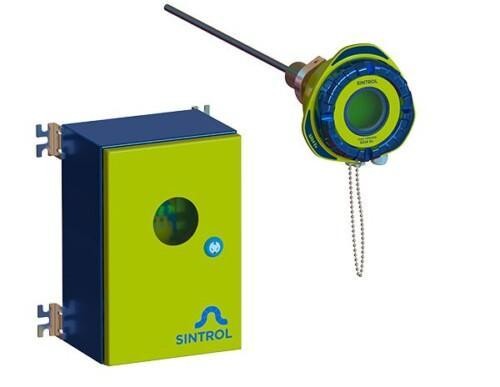
S314 / S314 Ex Dust Monitor
S314 and S314 Ex provide reliable continuous dust monitoring with split architecture for demanding and hazardous industrial process environments.

Sintrol
S304QAL-L Filter Leakage Monitor and S304QAL-D Filter Dust Monitor
S304QAL series instruments are designed to accurately detect dust leakages or to monitor filter performance in highly demanding industrial processes found in the industrial environments.
Discuss Your Filtration or Process Monitoring Application
Tell us about your filtration system, process conditions and monitoring objective. Sintrol will help you select the measurement approach and instrument that provide the information needed for effective maintenance and reliable operation.
Typical Filtration & Process Monitoring Applications
Filtration and process dust monitoring is used across industries such as cement and minerals, food and feed, chemicals, metals, mining, pulp and paper, power generation and other industrial processes where particulate concentration provides information about filtration or process performance. Typical applications include filter monitoring, pneumatic conveying, blockage detection, dust extraction systems and post-ESP monitoring.