
Emission Monitoring
Industrial Emission Monitoring
Particulate monitoring for dry, wet and condensing stacks and outlet ducts. Select the right monitoring solution for regulatory compliance, emissions reporting and continuous process monitoring.
Industrial particulate emissions are monitored for different purposes, including regulatory environmental compliance and reporting, as well as continuous measurement of stack particulate concentration.
Selecting the appropriate monitoring method starts with two questions:
- What is the measurement used for?
- What conditions exist at the measurement point?
A dry, non-condensing stack presents a different measurement environment from a saturated or condensing gas stream downstream of a wet scrubber or wet ESP. Required certification, measurement range and installation conditions also affect instrument selection.
With over 30 years of particulate monitoring experience, Sintrol delivers Finnish-engineered solutions for reliable real-time measurement in demanding industrial conditions.
What Is the Measurement Used For?
Regulatory reporting
If the measurement is used for official emissions reporting, the applicable regulatory requirements, certification and measuring range need to be defined before selecting the instrument.
Continuous Emissions Monitoring / CEMS
Continuous particulate monitoring can be used to follow stack concentration and emission trends over time. Changes in emission levels can also indicate changes in upstream process or gas-cleaning conditions.
If the main objective is to monitor filtration performance or process behaviour, see Filtration & Process.
Reliable particulate monitoring gives you the confidence to report emissions, distinguish unusual process events and make operational decisions based on data you can trust.
Stack Conditions Determine the Measurement Method
After defining the measurement objective, the next step is to evaluate the gas conditions at the measurement point. A key distinction is whether the stack gas is dry and non-condensing or wet, saturated or condensing.
Dry, non-condensing stacks
Conventional in-situ particulate monitors are primarily suited to dry, non-condensing process conditions. Typical emission measurement points are located in final stacks downstream of dry gas-cleaning equipment such as bag filters and electrostatic precipitators. For these applications, instrument selection depends on the required measurement type, concentration range, process conditions and regulatory requirements.
Wet, saturated and condensing stacks
Wet scrubbers, wet electrostatic precipitators, quench systems and other wet gas-treatment processes bring the process gas into contact with water or reagent solutions. The downstream gas can therefore be highly humid or saturated, while liquid droplets and aerosols may remain in the gas stream. Moisture, droplets, condensation, deposits, sticky particulate matter and corrosive compounds can interfere with conventional in-situ dust measurement. For Sintrol’s wet-stack monitoring approach, the gas sample is extracted and conditioned before optical particulate measurement.
Sintrol technology helps maintain trustworthy measurement in demanding conditions, including applications where moisture, condensation and deposits would otherwise compromise the sample.
Why wet-stack measurement requires a different approach?
Wet and condensing gas streams create measurement challenges because moisture and liquid droplets can interfere with particulate measurement.
If the gas cools below its water or acid dew point, condensation can cause particles to become wet, adhere to surfaces and be lost from the sample, reducing sample representativeness. Gas velocity can also vary with process conditions, which can affect extractive sampling.
For this reason, wet-stack particulate monitoring needs to control both sample extraction and sample conditioning before measurement. Sintrol technology heats the sample from the extraction point and keeps it above the water and acid dew points before optical measurement, helping preserve sample representativeness and reduce the influence of moisture and liquid droplets.
Sintrol Particulate Emission Monitoring Solutions
Once the measurement objective, stack conditions and certification requirements are known, the suitable instrument can be evaluated. Sintrol experts will guide you with instrument selection.
| Stack / duct condition | S304 / S304 Ex | S305QAL | EXO QAL | S314 / S314 Ex |
|---|---|---|---|---|
| Dry stack | ✓ | ✓ | – | ✓ |
| Wet condensing stack | – | – | ✓ | – |
| Ex Dust | ✓ (Ex) | – | – | ✓ (Ex) |
| Ex Gas | – | – | – | ✓ (Ex) |
| US EPA PS-11 | ✓ | ✓ | ✓ | ✓ |
| QAL1 certification | – | ✓ | pending | – |
| Difficult access | – | – | – | ✓ |
Emission reports from all your facilities in one place
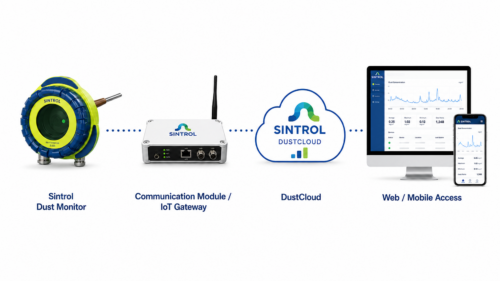
Reporting emissions from several plants can be challenging. Sintrol DustCloud brings dust measurements, device condition and alarms from supported Sintrol monitors into one environment. Users can view current and historical measurements, device status and alerts through web and mobile interfaces, with downloadable emission reports.
Historical trends help distinguish an isolated event from a recurring change, while configured rules can generate notifications for dust thresholds, communication problems and device diagnostic conditions. This gives plant personnel a centralized view of which monitored areas are operating normally and where attention is required.
Relevant Products

Sintrol
S304 / S304 Ex Dust Monitor
S304 / S304 Ex dust monitor provides accurate and fast dust monitoring for process control and emissions compliance. With a 0.01 mg/m³ detection limit, versatile outputs, and robust design, it ensures reliable performance in applications such as baghouses, cyclones, dryers, and other dust collection systems.

Sintrol
S305QAL / S305QAL Ex Dust Monitor
S305QAL is an EN15267-3 QAL1 certified stack monitor for official particulate emissions measurement. Reliable, low-maintenance, and robust, it is approved for use e.g. in waste incineration and combustion plants.
Sintrol
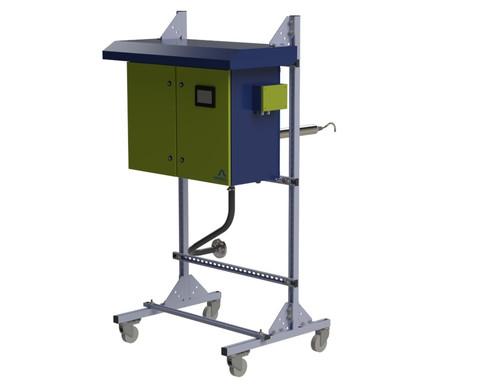
EXO QAL Dust Monitor for Wet Gases
EXO QAL is an extractive optical dust monitor for continuous particulate measurement in wet, condensing and demanding industrial process conditions.
Sintrol
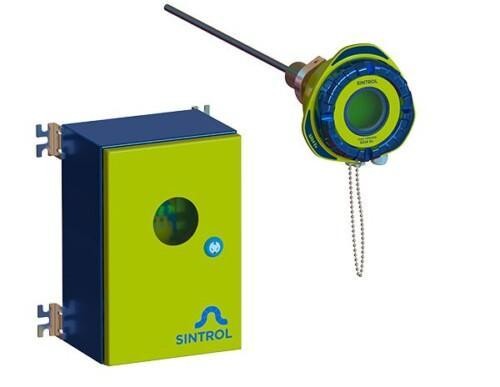
S314 / S314 Ex Dust Monitor
S314 and S314 Ex provide reliable continuous dust monitoring with split architecture for demanding and hazardous industrial process environments.
Sintrol
DustCloud
Monitor dust measurements, device status and alerts across multiple locations with DustCloud, Sintrol’s cloud-based industrial dust monitoring service.
Discuss Your Emission Monitoring Application
Talk to us about your process conditions and monitoring requirements. We will evaluate the application against the appropriate measurement method and instrument.
Typical Particulate Emission Monitoring Applications
Particulate emission monitoring is used across industries including cement and minerals, power generation, waste-to-energy, metals, chemicals, pulp and paper, wood processing, food and feed, petroleum refining and battery-material production. Wet-stack applications are typically found downstream of wet scrubbers, wet ESPs and other wet gas-treatment stages.