
Detect dust before it becomes a safety, production or environmental problem

Dust levels can increase unexpectedly due to a process disturbance, equipment failure, damaged filtration or an unnoticed leak.
Without continuous monitoring, the problem may only become visible after product has already been lost, equipment contaminated, workers exposed or dust released into the surrounding environment.
Sintrol dust monitoring solutions provide continuous, real-time information about changing dust levels. This helps operators detect abnormal conditions and respond earlier.
Could an unnoticed dust problem be affecting your plant?
A small leak or gradual increase in dust concentration can remain unnoticed during normal production. Continuous dust monitoring helps you answer important questions:
- Are dust levels increasing in a risk area?
- Is dust escaping from the process?
- Is the filtration system operating as expected?
- Are workers being exposed to unnecessary dust?
- Where and when do unwanted dust events occur?
- Is valuable product being lost through an unnoticed leak?
With reliable, real-time data, your team can detect changing conditions earlier and take action before the problem becomes more serious.
7 reasons to monitor dust in industrial environments

1. Protect people working in dusty areas
Airborne dust can create occupational health risks, particularly in areas where powders and bulk materials are handled.
Periodic measurements provide valuable information about exposure, but they may not identify sudden or short-term dust events. Continuous monitoring gives operators an immediate indication when dust levels begin to rise, allowing the situation to be investigated quickly.
Continuous dust monitoring helps you:
- Target corrective actions and further exposure assessments
- Detect unexpected increases in airborne dust
- Identify recurring dust events
- Support safer working practices

2. Identify conditions that may increase dust explosion risk
Combustible dust can create a serious fire and explosion hazard when it accumulates or becomes airborne under the right conditions.
Dust monitoring does not replace explosion protection measures or a site-specific risk assessment. However, detectors installed in appropriate risk areas can provide an early warning of abnormal dust releases and possible accumulation.
Continuous dust monitoring helps you:
- Support the plant’s wider dust safety strategy
- Detect elevated dust levels quickly
- Identify leaks before dust accumulation increases
- Investigate recurring risk conditions
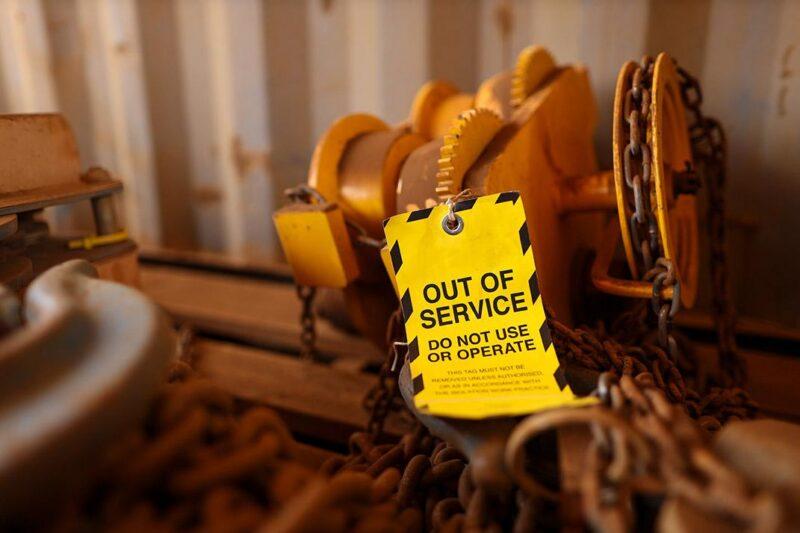
3. Reduce equipment contamination and unexpected failures
Dust entering machinery, electrical cabinets, ventilation systems or other sensitive equipment can shorten equipment lifetime and increase maintenance requirements.
Early detection allows operators to locate unwanted dust releases and take action before contamination becomes extensive.
Potential benefits include:
- Less dust-related wear and contamination
- Fewer unexpected interruptions
- Better targeted maintenance
- Reduced cleaning requirements

4. Control fugitive dust before it reaches the surrounding area
Dust escaping from loading, conveying, crushing, storage or transfer points can spread beyond the process area and affect neighbouring communities.
Monitoring possible dust sources helps operators identify where and when fugitive dust occurs, respond to complaints with actual data and verify whether corrective actions are working.
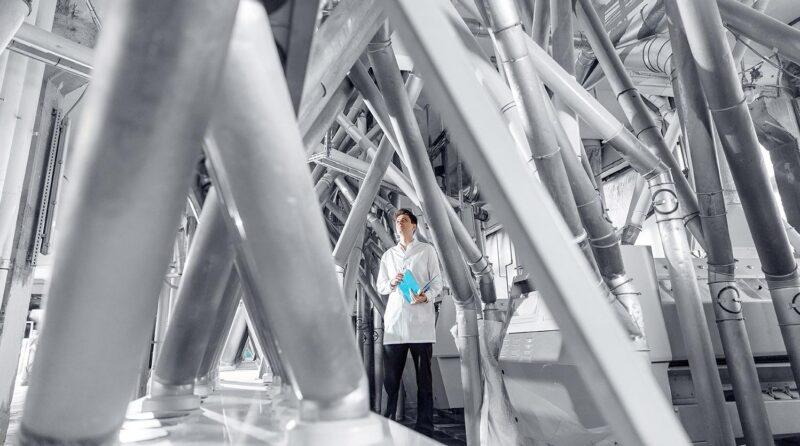
5. Improve housekeeping and cleaning efficiency
Visible dust accumulation often indicates that dust is escaping somewhere in the process. Cleaning addresses the consequence, but it does not identify the source.
Strategically positioned dust detectors help reveal recurring problem areas so that maintenance and cleaning resources can be focused where they are needed most.

6. Detect product loss earlier
Even a relatively small leak can result in significant product loss when large quantities of material are processed.
Real-time dust monitoring can reveal changes caused by damaged equipment, leaking connections or process disturbances. Earlier detection helps reduce wasted material and prevent more extensive process interruptions.

7. Support environmental responsibility with real data
An industrial site may have several individual sources of fugitive dust. Each source may appear minor, but their combined effect can create a significant environmental issue.
Continuous data helps plants understand when and where dust events occur, verify improvements and make environmental decisions based on measured conditions rather than assumptions.
Where can dust monitoring be used?
Dust detectors can be installed at selected locations throughout a plant, including:
- Material loading and unloading areas
- Conveyors and transfer points
- Crushers and mills
- Silos and storage areas
- Production and packaging areas
- Filtration systems
- Process ducts
- Facility boundaries and outdoor areas
The correct measurement technology and installation location depend on the type of dust, process conditions and purpose of the measurement.
From a single measurement point to plant-wide dust visibility
Sintrol provides solutions for:
- Workplace and ambient dust monitoring
- Filter leak detection
- Filter performance monitoring
- Process monitoring
- Emission monitoring
- Hazardous and potentially explosive environments
- Centralised monitoring of multiple measurement points
Our specialists and local distribution partners help determine suitable measurement locations, technologies and system configurations for each application.
Find the dust problem before it becomes an expensive one
Tell us where dust is causing concern in your plant. We will help you evaluate what should be monitored, where detectors should be installed and which solution is suitable for your process.
Not sure what type of monitoring you need? Describe your challenge and our specialists will help you determine the right measurement approach.


John Korpi
Area Sales Director
Dust Monitoring Solutions